

The Crucial Role of Building Evacuation: How to Prepare for Safe Escapes
The safety of people in public or private buildings is a priority during emergencies such as fires, earthquakes, or other threats. It is critical to know how to evacuate a building efficiently and safely, protecting our lives and the lives of others.
Step 1: Understanding Evacuation Plans
Every building must have a clear evacuation plan that is easily accessible and known to all users of the building. These plans include instructions for the nearest exits, the route to them, as well as safe assembly locations.
Step 2: Practice through Evacuation Drills
Evacuation procedures should not just be theoretical but also practical. Regularly conducting evacuation drills helps people become more familiar with the procedures and react correctly under pressure.
Step 3: Equipment and Signage
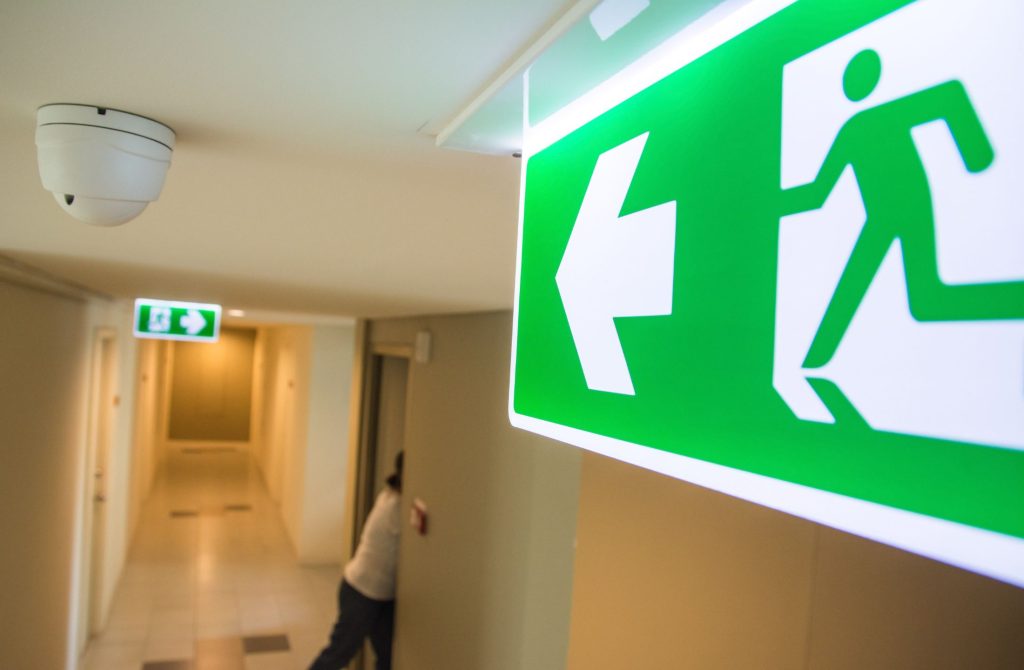
Proper signage and lighting are essential elements of an effective evacuation plan. Signs must be clear and easily distinguishable, while fire safety equipment must be accessible and in good condition.
Step 4: Communication and Safety Officers
On every floor or section of a building, there should be a recognized safety officer who knows the evacuation steps and is able to guide and assist others during an evacuation.
Step 5: Monitoring and Evaluation
After every drill or actual evacuation, it is important to evaluate the process to identify any areas for improvement. The continuous improvement of evacuation practices increases safety for everyone.
Understanding and implementing these steps can mean the difference between a safe escape and danger during emergencies. It is critical to prepare in advance and stay informed about best practices in building evacuation.