

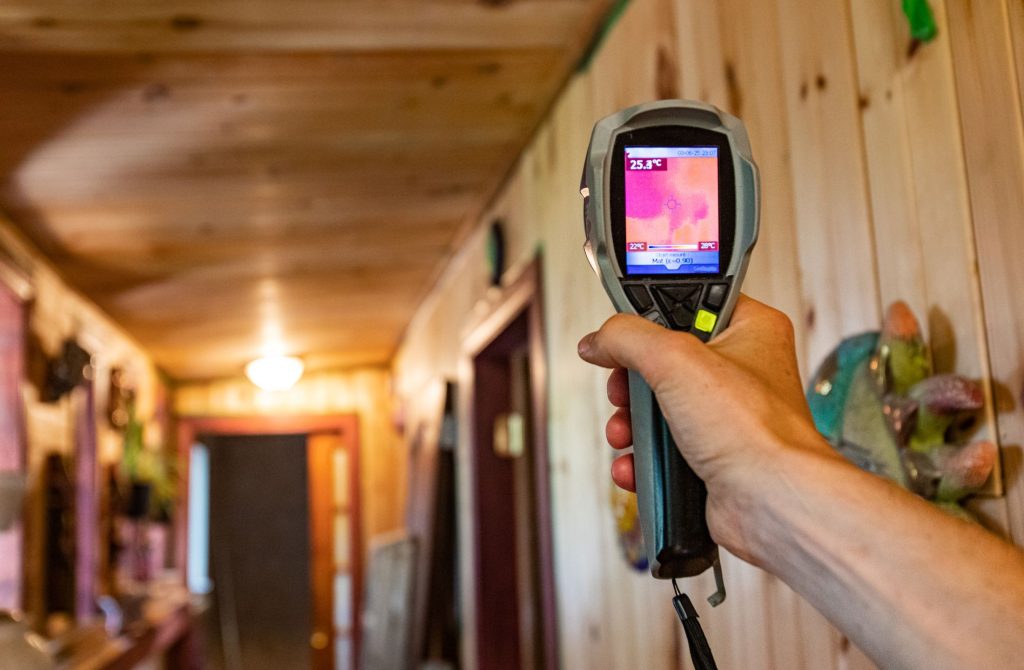
Airtightness: Key to Energy Efficiency and Comfort
Airtightness in buildings refers to the ability of a building envelope to restrict unwanted airflows through various gaps and cracks in the structure. Good airtightness is critical for energy efficiency, comfort, and the health quality of indoor spaces.
Why is Airtightness Important?
- Energy Efficiency: Well-airtight buildings use less energy for heating and cooling, as less air escapes.
- Space Comfort: Reducing drafts provides a more uniform temperature, increasing comfort for building users.
- Health and Air Quality: It restricts the entry of moisture and pollutants from the outside, improving indoor air quality.
How is Airtightness Achieved?
- Materials and Construction: The use of specific insulating materials and construction techniques that guarantee the absence of cracks and leaks.
- Airtightness Testing: The use of specialized tests, such as the Blower Door test, to evaluate and improve the airtightness of the building.
- Maintenance and Inspections: Regular inspections and maintenance of building elements that contribute to airtightness, such as windows and doors.
Benefits of Airtightness
- Cost Savings: Reduction of heating and cooling expenses.
- Improved Comfort: More homogeneous temperature and humidity indoors.
- Health Protection: Fewer outdoor pollutants and allergens in the indoor air.
Airtightness is a critical element in the construction and maintenance of buildings, offering significant benefits in both energy efficiency and improving the quality of life for users. Awareness and implementation of the above methods can lead to a healthier, more economical, and comfortable environment.